Cultural & Legacy Burdens

1. What Are Cultural & Legacy Burdens?

Cultural burdens, also known as legacy burdens, are the emotional, beliefs and psychological imprints inherited from our ancestors, communities, and societal contexts. These burdens encompass beliefs, behaviors, and traumas passed down through generations, often operating subconsciously and influencing our perceptions and interactions. While they may have originated as adaptive responses to historical challenges, cultural burdens can become obstacles to personal growth and authentic self-expression.

Common examples of cultural burdens include:

  • “Resources are scarce; I won’t have enough.”
  • “It’s not safe to be who I am.”
  • “Other people will hurt me.”
  • Difficulty showing affection or being vulnerable.
  • Hiding imperfections for fear of judgment.

2. How Do Cultural Burdens Develop?

Cultural burdens are transmitted through various channels:

  • Family Lineage: Beliefs and emotional patterns absorbed from parents and ancestors.
  • Societal Norms: Collective traumas and societal expectations that shape group identities.
  • Historical Events: Traumatic experiences such as wars, colonization, or systemic oppression that leave lasting imprints on communities.

These burdens are often internalized unconsciously, influencing behaviors and thought patterns across generations. 

3. The Impact of Cultural Burdens

Cultural burdens can manifest in various aspects of life:

  • Emotional: Internalized shame, fear, or unworthiness stemming from ancestral experiences.
  • Cognitive: Limiting beliefs about one’s capabilities or societal roles.
  • Relational: Dysfunctional relationship dynamics influenced by inherited patterns.
  • Behavioral: Reenactment of ancestral traumas or adherence to restrictive cultural norms.

These burdens can hinder personal development and perpetuate cycles of trauma within families and communities. 
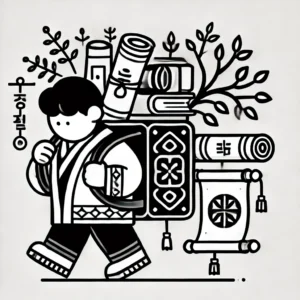
4. Moving Beyond Cultural Burdens

Healing from cultural burdens involves:

  • Awareness: Recognizing and acknowledging inherited beliefs and patterns.
  • Unburdening: Engaging in therapeutic processes to release these burdens.
  • Embracing Authenticity: Cultivating one’s true self, free from inherited constraints.

Approaches like Internal Family Systems (IFS) therapy facilitate this healing by helping individuals access their core Self and release legacy burdens, fostering inner harmony and personal freedom. 

By addressing and releasing cultural burdens, individuals can break free from generational cycles of trauma and limitation, paving the way for authentic self-expression and fulfillment.